Cheese bowl with creamy spaghetti
Discover your new, unique way to experience the comfort of smooth, cheesy pasta. Crafted in individual cheese bowls for an added crisp and kick of caramelised Cheddar flavour, this recipe intertwines iconic flavours with a little touch of drama. Aromatic garlic, cream and Castello® Extra Mature Cheddar unfold in a glossy sauce that satisfies the senses, and when served with al dente spaghetti ribbons in the crisp cheese shell, you have a dish that’s guaranteed to impress in every way possible.


Ingredients
For the baked pasta
For the cheese bowls
Preparation
Preheat the oven to 180 °C (fan-assisted oven).
For the cheese bowls, sprinkle a quarter of the cheese on the base of a frying pan. Heat over a medium heat until the cheese melts, bubbles and turns a deep golden colour, about 5 minutes.
Turn off the heat, wait 20–40 seconds for the cheese to firm slightly, then lift it with a spatula and drape it over an upturned bowl.
Once hard, remove the cheese bowl and allow it to cool completely. Repeat with the remaining cheese.
Add all the ingredients for the baked pasta to an ovenproof dish. Stir to combine, making sure the pasta is fully submerged. Cover the dish with tin foil.
Bake for 25 minutes with foil on, then remove the foil, stir vigorously and cook for a further 10 minutes until the pasta is just al dente. Stir very well. If the sauce still seems thin, simmer it on the hob for about 5 minutes to thicken.
Spoon the pasta gently into the cheese bowls and serve.
Tips & Tricks
Once the cheese has hardened enough to be removed from the upturned bowl, transfer it gently to a wire rack. Allow it to cool completely before filling. A rack allows air to circulate underneath, which prevents trapped steam and condensation from making the cheese bowl soft, sweaty or prone to warping.
If your baking dish is compact, break the dry spaghetti into halves or thirds before baking. This helps the pasta fit more easily in the baking dish. It also cooks more evenly when submerged in the creamy sauce during the covered bake.
Spoon the baked pasta into the cheese bowls without forcing it down. Use a light hand to avoid cracking the delicate shells. Once cooled, the bowls turn thin and brittle, so pressing or packing the pasta too firmly can cause them to collapse or split.
Serve the pasta in the cheese bowls immediately to preserve the contrast between the warm, creamy pasta and the crisp, golden cheese shell. This also prevents the bowls from losing their structure or crispness while sitting out.
FAQ: Questions about this cheese bowl with creamy spaghetti
Edible cheese bowls can feel tricky, but the process is straightforward once you have made one. Here are answers to the questions that come up most often when making cheese bowls with creamy spaghetti.
Related recipes
-
 Dessert cheese board with dark chocolate chili ganache Dessert cheese board with dark chocolate chili ganache
-
 Spring cheese board Spring cheese board
-
 15 minsCheeseboard with crackers Cheeseboard with crackers
-
 60+ minsPulled pork mac and cheese Pulled pork mac and cheese
-
 Blackberry and blueberry kale salad with Aged Havarti and berry dressing Blackberry and blueberry kale salad with Aged Havarti and berry dressing
-
 20 minsOne-pot pasta One-pot pasta
-
 10 minsChicken grilled cheese sandwich Chicken grilled cheese sandwich
-
 15 minsChristmas cheese board Christmas cheese board
-
 30 minsSnack platter with roasted grapes, brie, and crackers Snack platter with roasted grapes, brie, and crackers
-
 5 minsSandwich with brie, serrano, and apricot Sandwich with brie, serrano, and apricot


Turn creamy spaghetti into a showstopper by serving it in its own cheese bowl
There is something quite intriguing about serving dinner in an edible bowl made entirely from cheese. Cheddar melts and hardens into a curved shell strong enough to hold a full portion. While that shell sets, pasta bakes slowly in the oven until it soaks up the stock and cream around it, ready to be served straight into the shell once both are done. The result lands somewhere between a party trick and a proper meal, making a familiar pasta dish feel wonderfully unexpected.
A creamy sauce built from stock, cream and garlic
It does not take much to make a sauce this good. Chicken stock and double cream form the base, reducing together in the oven until they cling to every strand of pasta. Thin slices of garlic melt into the liquid as it bakes, giving the sauce a gentle, rounded warmth rather than a sharp bite. A generous grind of black pepper cuts through the cream, while Cheddar thickens everything further and brings its own sweet, sharp tang.
A golden cheese shell that holds it all together
Getting the shell right is a matter of timing rather than skill. Melted Cheddar bubbles in the pan, turns a deep golden colour and firms up within minutes of being lifted onto an upturned bowl. Left to cool completely, it sets hard and holds its shape once removed. That crisp, lacy shell becomes the vessel, cradling the pasta elegantly. Break off pieces as you eat and experience the striking contrast between the brittle edges and the soft, creamy spaghetti.
A recipe made for impressing at the table
Few pasta dishes arrive at the table looking quite like this one. The cheese bowl turns an ordinary spaghetti supper into something guests notice before they even taste it, making it perfect for a dinner party centrepiece or a birthday meal that calls for a bit of theatre. It requires no special equipment beyond a frying pan and a sturdy bowl, so the drama comes without added complexity. Serve the baked pasta straight from the oven while the shells are still at their crispiest.
Discover more cheese-filled favourites with our Havarti grilled cheese sandwich, creamy blue cheese pasta and baked sweet potato with chicken and Cheddar.
Load your cheese bowl with more deliciousness
Once you have mastered the cheese bowls, there are plenty of ways to make the recipe your own. Fold wilted spinach or sautéed mushrooms through the creamy pasta for extra body, or add cooked bacon lardons for a smoky note. Fresh herbs such as chives or parsley, scattered over just before serving, bring colour and freshness. For a sharper finish, swap a portion of the Cheddar for a stronger, more mature variety.
Related products
-
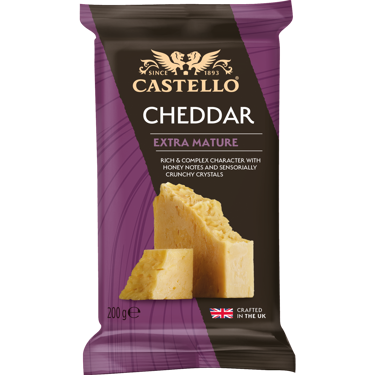
Castello® Extra Mature Cheddar Cheese Castello® Extra Mature Cheddar Cheese