How to cook with cheese
Elevate your meals with Castello cheese and explore the many ways it can be used for everyday cooking. Some cheeses melt smoothly, others add a variety of texture, and some work best as a finishing touch. Knowing the difference makes the difference, as it helps you choose the right one for each dish, all while upgrading your culinary repertoire.
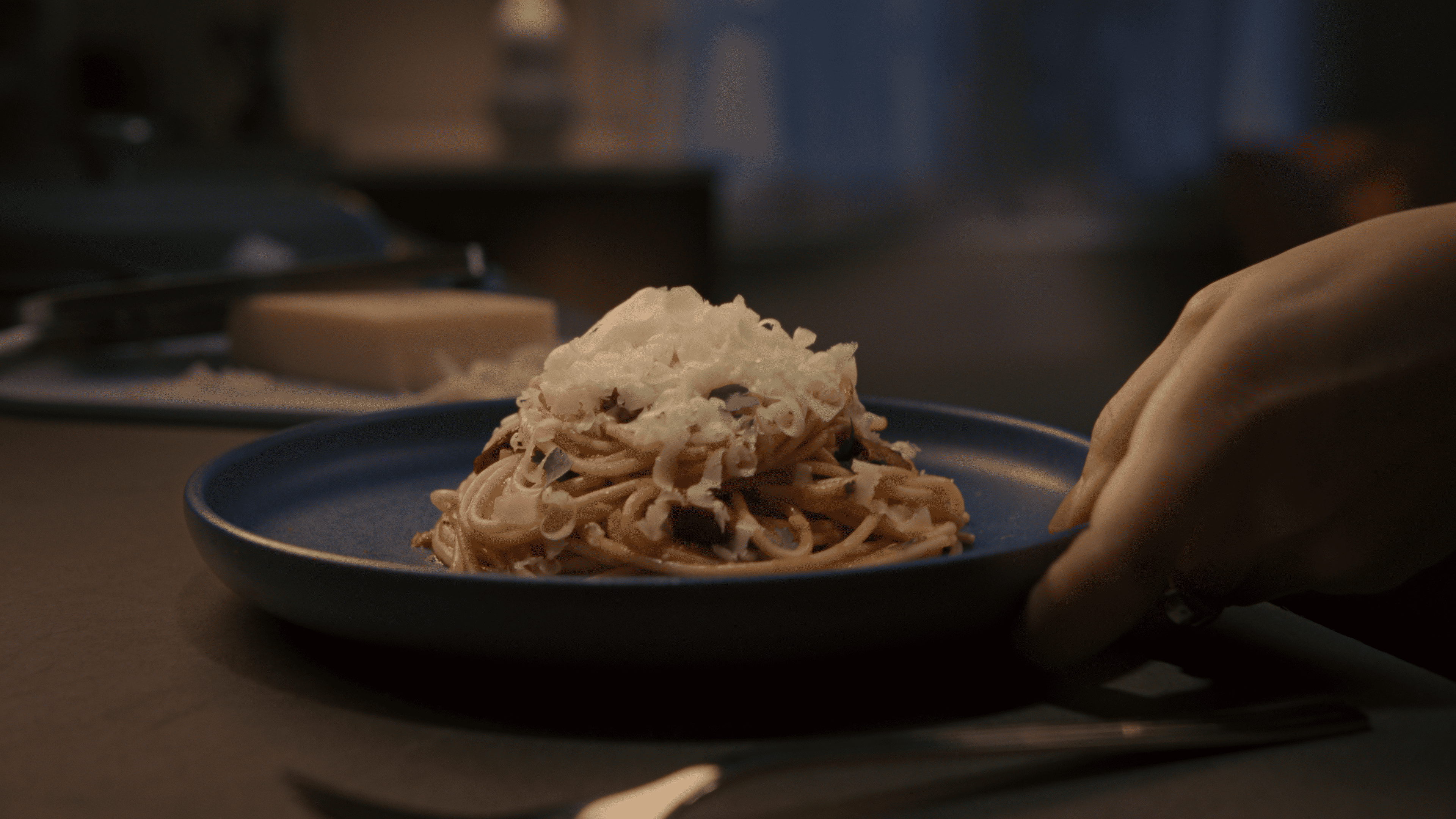
Explore the distinctive qualities of different Castello cheeses and to use them in the kitchen – from fresh and creamy varieties to more mature styles. Discover practical ways to integrate cheese into daily cooking – whether stirred into sauces, paired with vegetables, folded into warm dishes, or added just before serving. Because when the right cheese is chosen, the rest of the dish comes together with ease.
Pick your favourite cheese
Cheese comes in an extraordinary range of styles, from soft and gentle to bold and intense. With so many flavours and textures to explore, narrowing down a favourite is not always easy.
Walk through an overview of some of the most popular cheeses, focusing on their flavours, textures, and character. Pick your favourites and experience indulgent cheese moments every day.
Soft cheeses:
- Brie – Has a soft, edible rind and a pale interior that becomes increasingly creamy as it warms. The texture feels rich and smooth, with mild flavours of warm milk and subtle mushroom notes. It works well baked whole, melted into toasties, folded into quiches, or served simply with bread and fruit.
Try Castello® Brie Cheese for its mild, balanced flavour, or Castello® Extra Creamy Brie Cheese for a fuller, creamier texture. - Camembert – Starts out firmer and softens as it matures, becoming more silky and flavourful. It has a deeper aroma and savoury notes that recall cauliflower and lightly sautéed garlic. It is ideal for baked dishes, cheese boards, or simple dishes where it can soften and spread, rather than fully melt.
Discover Castello® Camembert Cheese and find more ways to enjoy it.
Semi-soft and sliceable cheeses:
- Havarti – Mild and buttery when young, with a gentle tang and a smooth, elastic texture that melts easily. As it matures, the flavour becomes fuller and more savoury, making it just as suited to cooking as it is to slicing. It works well in toasties, grilled cheese sandwiches, burgers, pasta bakes, and creamy sauces.
Explore Castello® Creamy Havarti Cheese and Castello® Aged Havarti Cheese, and see how versatile they are. - Gouda – Young Gouda is smooth and elastic with a mild, milky flavour that melts gently, making it easy to use in everyday cooking. With age, the texture becomes firmer and more brittle, developing crunchy protein crystals and deeper notes of toasted caramel and dark honey. It suits everything from sandwiches and baked dishes to gratins, sauces, and cheese boards.
Enjoy Castello® Aged Gouda, or try Castello® Smoked Gouda Cheese.
Semi-hard and hard cheeses:
- Cheddar – A rich, savoury classic that becomes sharper and more pronounced as it matures. Younger cheddars feel firm but sliceable, while more mature offerings turn crumbly and develop deeper intensity. It works well in grilled cheese sandwiches, sauces, savoury baking, pies, and classic comfort bakes.
Experience how maturity influences flavour and texture with Castello® Mature Cheddar Cheese and Castello® Extra Mature Cheddar Cheese. - Gruyère – Deeply savoury with pronounced nutty notes and a soft sweetness. Its firm, close-grained texture melts exceptionally smoothly, making it ideal for gratins, fondue, quiches, sauces, and layered bakes.
- Parmesan – Deeply savoury and nutty with intense umami and a hard, granular texture marked by small crystals. Rather than melting, it softens and dissolves into dishes, making it perfect for grating over pasta, risotto, roasted vegetables, and salads, or for enriching sauces and soups.
Blue cheese:
- Blue cheese – Pungent and savoury with a pronounced salty sharpness and tang. The texture ranges from soft and spreadable to firmer and crumbly. The flavour is bold, but used in the right way, it adds balance rather than overpowering a dish. Blue cheese works well melted into sauces, stirred into risotto or pasta, crumbled over salads, or paired with roasted vegetables and meats.
Treat yourself to Castello® Creamy Blue Cheese, Castello® Danish Blue Cheese or Castello® Gorgonzola and explore the many possibilities.
Fresh and mild cheeses:
- Mozzarella – Clean and fresh flavour with subtle sweetness, characterised by a soft, moist texture that stretches beautifully when heated. It melts easily, making it ideal for dishes like pizza, baked pasta, toasties, or layered into lasagne and vegetable bakes.
- Ricotta – Light and delicately milky with a mild sweetness, ricotta has a soft, grainy texture that feels airy rather than dense. Instead of melting, it softens and blends into dishes such as stuffed pasta, savoury tarts, pancakes, or is folded into sauces and fillings.
With so many different cheeses to choose from, there are always new ways to elevate everyday cooking and reward the palate. The next section explores simple ways to refine staples like pasta and potatoes with cheese.
Simple ways to elevate pasta, potatoes, rice, and grains
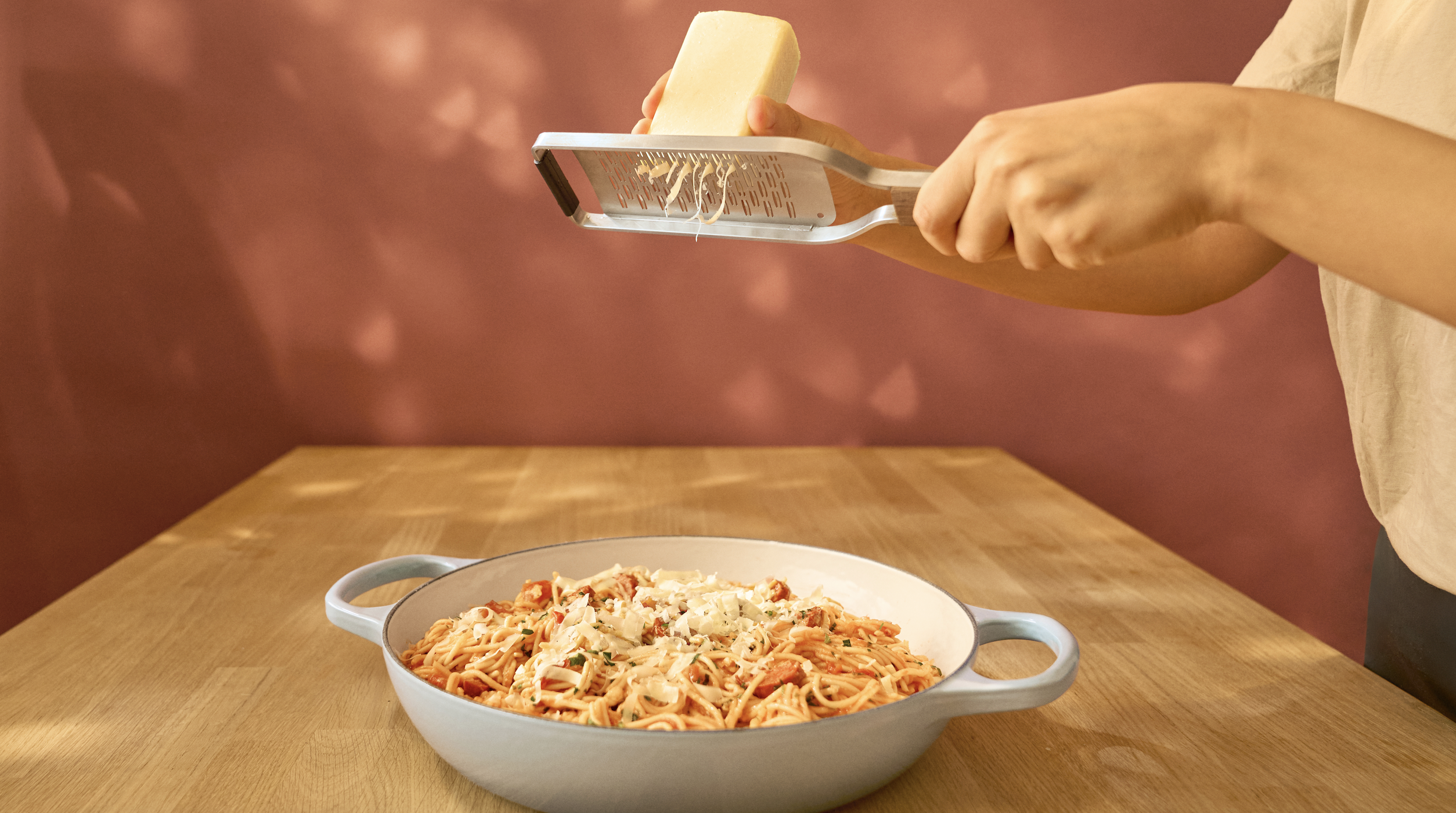
A thoughtful addition of cheese can instantly transform everyday meals into intentional experiences. For a bold twist, try stirring a touch of blue cheese into warm pasta just before serving. For a more delicate touch, grating of Pecorino or Parmesan over a simple cacio e pepe adds a nutty, salty finish.
Potatoes are a classic canvas for cheese, offering endless possibilities. A tray of roasted potatoes becomes the ultimate crowd pleaser when finished with a generous grating of Havarti or a sharp, aged cheddar. Also, try adding a handful of Gruyère to a potato gratin for a nutty finish.
When preparing risotto or orzo, stir in cream cheese instead of the traditional extra butter to achieve an even silkier, more indulgent consistency. For a Mediterranean flair, folding white cheese into warm couscous or quinoa creates comfort meal with a creamy, salty contrast.
Add extra flavour to vegetables with a cheesy finish
Pairing cheese with vegetables has the power to give a humble side dish a spotlight. Crumble a small amount of blue cheese over roasted carrots, beetroot, or pumpkin just before serving for a piquant and tangy counterpoint to their caramelised vegetables.
Finish baked vegetable dishes with an au gratin topping – breadcrumbs mixed with grated Gruyère or cheddar. Return the dish to the oven until the topping is golden and crisp, while the vegetables stay tender underneath.
Shave mature Gouda or grate a lightly smoked cheese over warm kale, roasted cauliflower, or Brussels sprouts, to complement the vegetables’ slightly bitter, earthy notes benefit with added richness.
With a cheesy finish, you can easily elevate everyday vegetables into a flavourful highlight on any menu.
Upgrade sandwiches, toast, and wraps instantly

Cheese is one of the best ways to refine sandwiches, toast, and wraps for both lunch and dinner.
For added texture, use cheese on the outside as well as the inside. Finely grate Parmesan and press it onto the outside of the bread before toasting. As the bread heats, the cheese melts and sets into a thin, crisp layer that clings to the surface and adds a savoury crunch.
When making toast, swap butter for cream cheese. In wraps, spread herby cream cheese directly onto the wrap to act as a flavour filled barrier that keeps salad leaves crisp, or fold crumbled white cheese into warm fillings for a warm and salty contrast.
Elevate simple sauces and dressings with minimal effort
Cheese is the foundation for many iconic sauces. When making a mornay or white sauce, consider swapping the traditional Parmesan or Gruyère for another cheese, such as Creamy Havarti. For a nuttier finish, a handful of shredded Emmental livens up white sauces and bakes.
Dressings also offer a brilliant canvas for cheesy elevation. Try crumbling a soft blue cheese into a simple vinaigrette or a honey–mustard dressing and whisk until just combined. The cheese softens and cuts through the acidity. If you are looking for a more delicate touch, a fine grating of aged Parmesan or extra mature Cheddar stirred into a simple tomato sauce or gravy provides a savoury, umami flavour.
For quick dips and spreads, turn to soft cheeses. Mix blue cheese with yoghurt or sour cream, lemon juice, and cracked black pepper for a cooling dip that pairs well with chicken wings or roasted vegetables. You can also whip ricotta, cream cheese, or cottage cheese with olive oil, lemon, and a little honey until smooth for a soft, spoonable spread that pairs with bread, vegetable sticks, or grilled flatbreads.
Give salads a boost in texture and flavour

Whether cubed, sliced, grated, or stirred through, cheese is a wonderful way to spruce up salads with flavour and texture. Start with smooth ricotta or mascarpone as a base rather than mixing everything directly with dressing. Spoon it onto the plate first, then pile citrus-dressed greens or roasted carrots on top.
For a more fulfilling salad, add small cubes of aged Havarti. The firm texture and buttery flavour work well with crisp leaves, toasted nuts, or classic combinations like Caesar-style salads.
Finishing a salad with a mature Gouda or aged Havarti offer a lovely caramel-like sweetness to a bitter leaf salad, while a selection of Provolone slices provide smoky depth to a platter of grilled peppers and courgettes. Alternatively, try thinly sliced Brie or Camembert draped over a spinach and apple salad; the creamy edges soften against the greens to create a rich mouthfeel.
Balance rich cheese with complementing flavours
Rich cheese shows its best side when it is balanced with something fresh or lightly acidic. Match the intensity of the cheese with ingredients that either ground it or cut through, depending on the flavour you’re craving.
Pair stronger cheeses, such as mature blue cheese or cheddar, with ingredients that can hold their own like forest honey, dried figs, or onion marmalade to provide a sweet counterpoint to the saltiness and sharpness of the cheese. Alternatively, serve them with sliced green apples, pickled onions, or a handful of walnuts for a crisp, palate-cleansing finish.
Milder, creamy cheeses such as Brie, Gouda, or Havarti flourish when matched with bright, delicate acidity. Fresh fruits like grapes, strawberries, or thin slices of pear provide a pop of juiciness and a mild sweetness that highlights the buttery notes of the cheese. A drizzle of light acacia honey or a few segments of citrus introduce a fresh, bright sensation.
Cheese works best when it is used with a purpose. Chosen well, it elevates everyday cooking and creates feeds senses, whether shared or as a personal pleasure.